Blog


What It Takes to Integrate with a Federal Reporting System: Lessons from Building NERIS Compliance for Fire Departments
Most "website integrations" mean a form submits to an email inbox, or maybe a CRM. This project was a different kind of problem. We built a reporting module for Firehouse247, a platform used by U.S. fire departments, that had to exchange data with NERIS, the National Emergency Response Information System, the federal system fire departments are moving to for incident reporting.
It's not a typical web project, and it taught us a lot about what changes when the system on the other end isn't yours, isn't flexible, and isn't optional.
Why this isn't a normal integration
With a typical third-party API, you adapt to each other. If something doesn't fit, there's usually a workaround, a support contact, or a newer endpoint. A federal reporting system works differently:
- The schema is the rule, not a suggestion. Data has to match the required structure exactly, or the report isn't accepted.
- Compliance is the point. For the departments using the platform, reporting isn't a nice-to-have feature. It's an obligation, so "mostly works" isn't good enough.
- The real world is messy. Incidents don't fit neatly into forms. The software has to capture what actually happened on a call and still produce a clean, valid report.
What it actually took
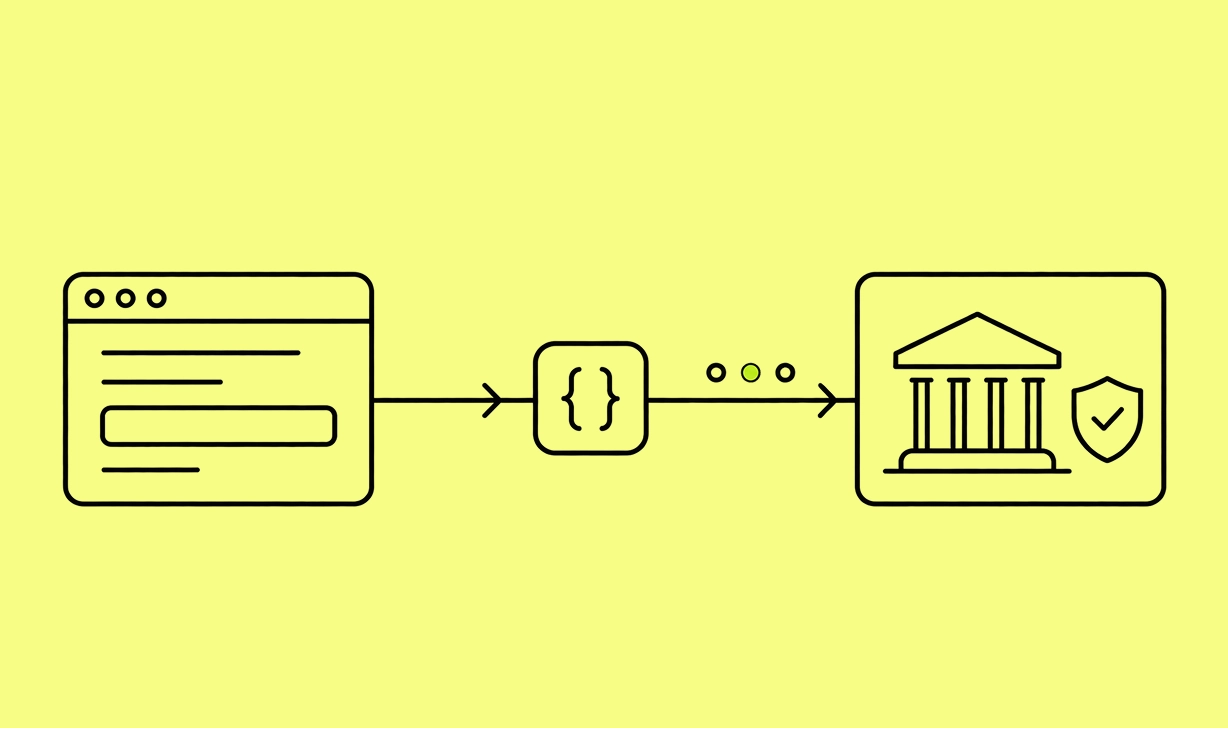
Structured data mapping. The biggest part of the work wasn't the connection itself. It was mapping how the platform stored incident data to how the federal system expects it, field by field, code by code, including the cases where the two models didn't line up cleanly.
A secure API integration. Reporting data about emergency incidents needs to be handled carefully in transit and at rest, with proper authentication and clear records of what was sent and when.
Validation before submission, not after. Instead of letting a report fail on the federal side, the module checks data up front and tells the user exactly what's missing or invalid, in plain language, while they can still fix it.
A lot of edge-case testing. Partial reports, corrections to already submitted incidents, unusual incident types, connectivity issues. Most of the effort in a project like this goes into the cases that happen rarely but still have to work.
Lessons we'd apply to any compliance integration
- Start with the data model, not the UI. If the mapping is wrong, no interface will save it.
- Make errors understandable to the people entering data. A firefighter finishing a report after a shift shouldn't have to decode a validation message.
- Log everything. When a report is questioned months later, you need to know exactly what was sent.
- Plan for the standard to change. Federal systems evolve. Building the mapping so it can be updated without rewriting the module saves real time later.
Why it matters beyond fire departments
The same approach applies anywhere a website or platform has to talk to a system with strict rules: healthcare data standards, government reporting, financial compliance, industry registries. The work is less about writing code quickly and more about getting the details exactly right.
Where to start
If your platform needs to connect to a regulated or external system and you're not sure what that involves, it's worth mapping it out before development starts. Talk to our team and we'll walk you through what the integration would actually take.



Write to us