01Client problem
To enhance the system, the client requested a refinement of application aesthetics, specifically for tools built on open-source frameworks such as chat, knowledge base, and file collaboration platforms.
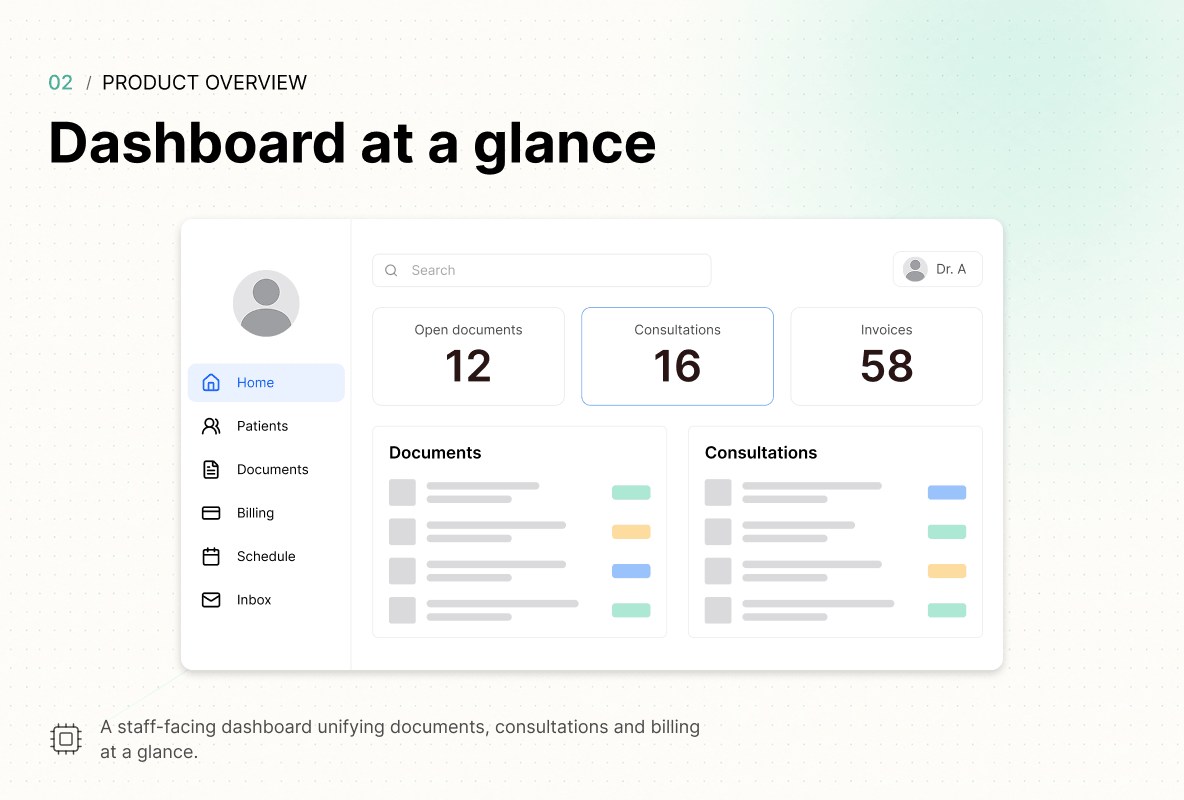
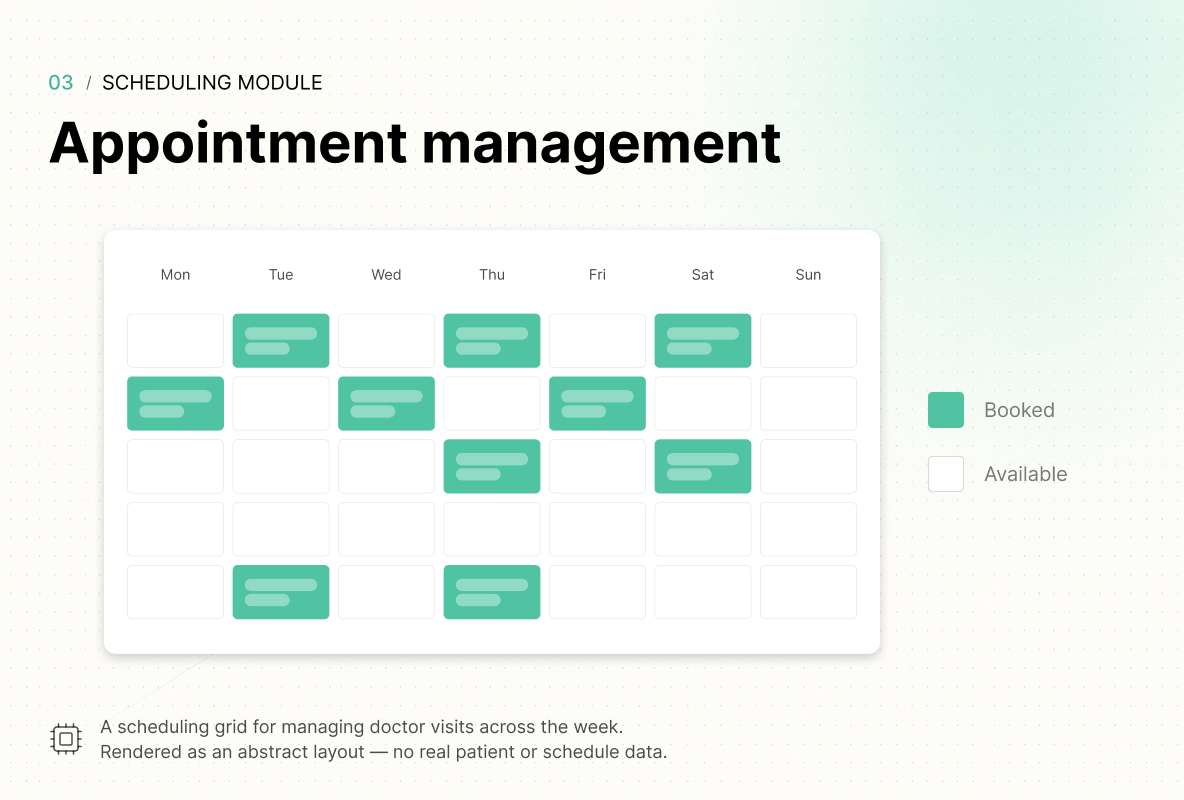
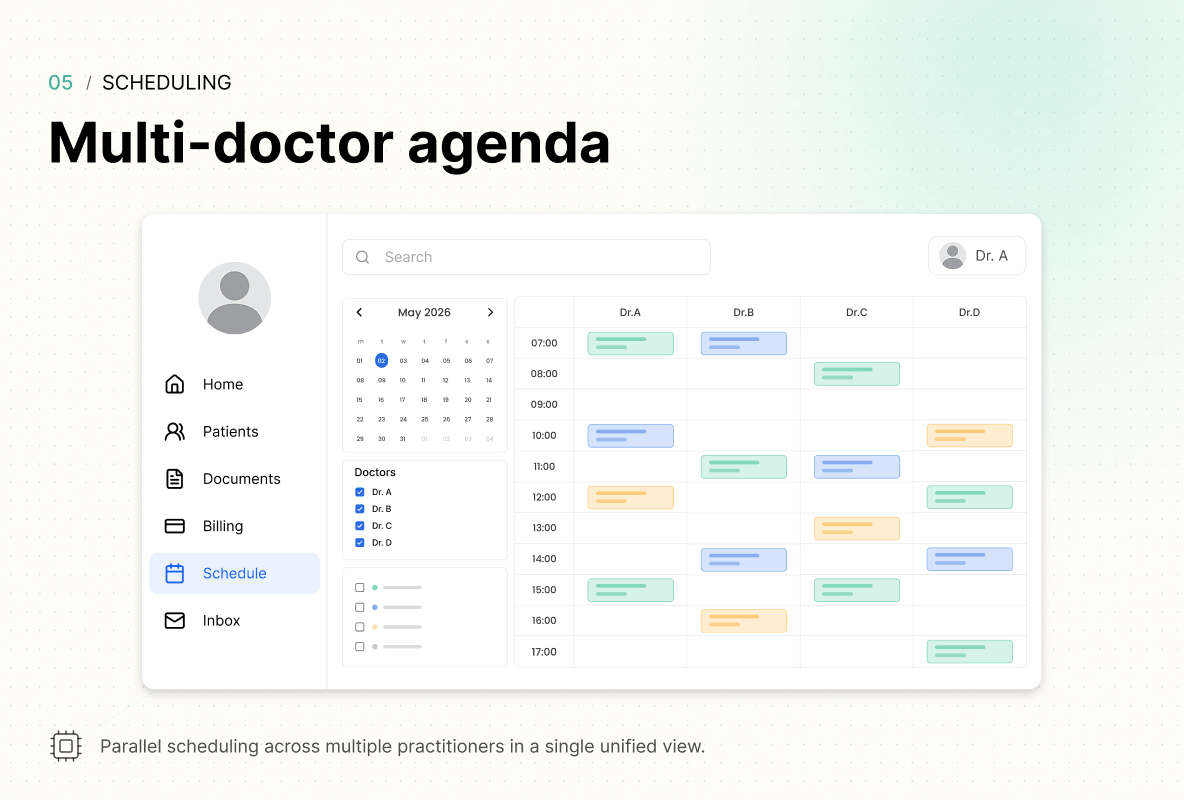
They also needed an all-encompassing web platform for medical system personnel. The platform should consist of distinct, autonomous modules that can function independently — for example, an appointment scheduling module for managing doctor visits and a contacts module for creating and editing records within the system.
02Solution
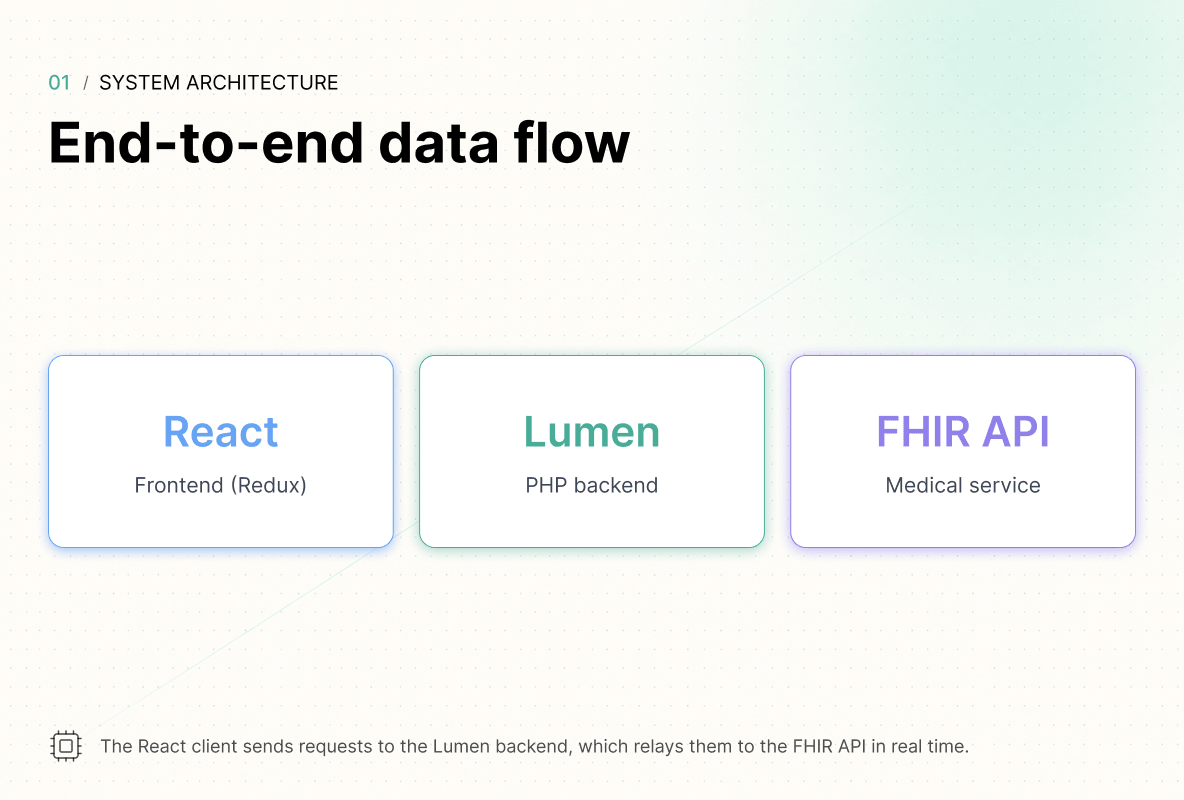
The web application our team built consists of a client-side component using React, covering interface design, dynamic functionality, backend request handling, websocket output processing, and product localization.
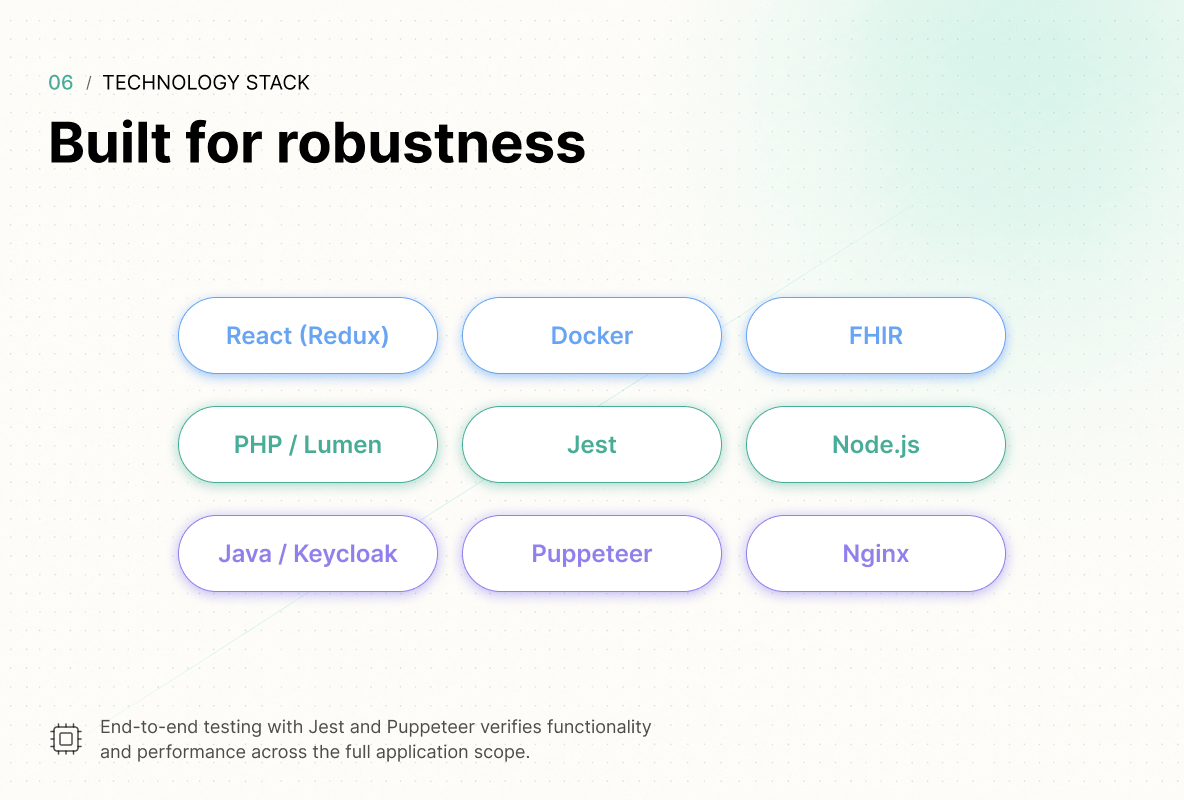
To ensure robustness, comprehensive end-to-end testing was implemented using Jest and Puppeteer, verifying functionality and performance across the full application scope.
The backend is developed with the Lumen framework. It receives requests from the client, processes them, and forwards them to the FHIR API of the medical service. After receiving the FHIR response, the backend relays it back to the React frontend.
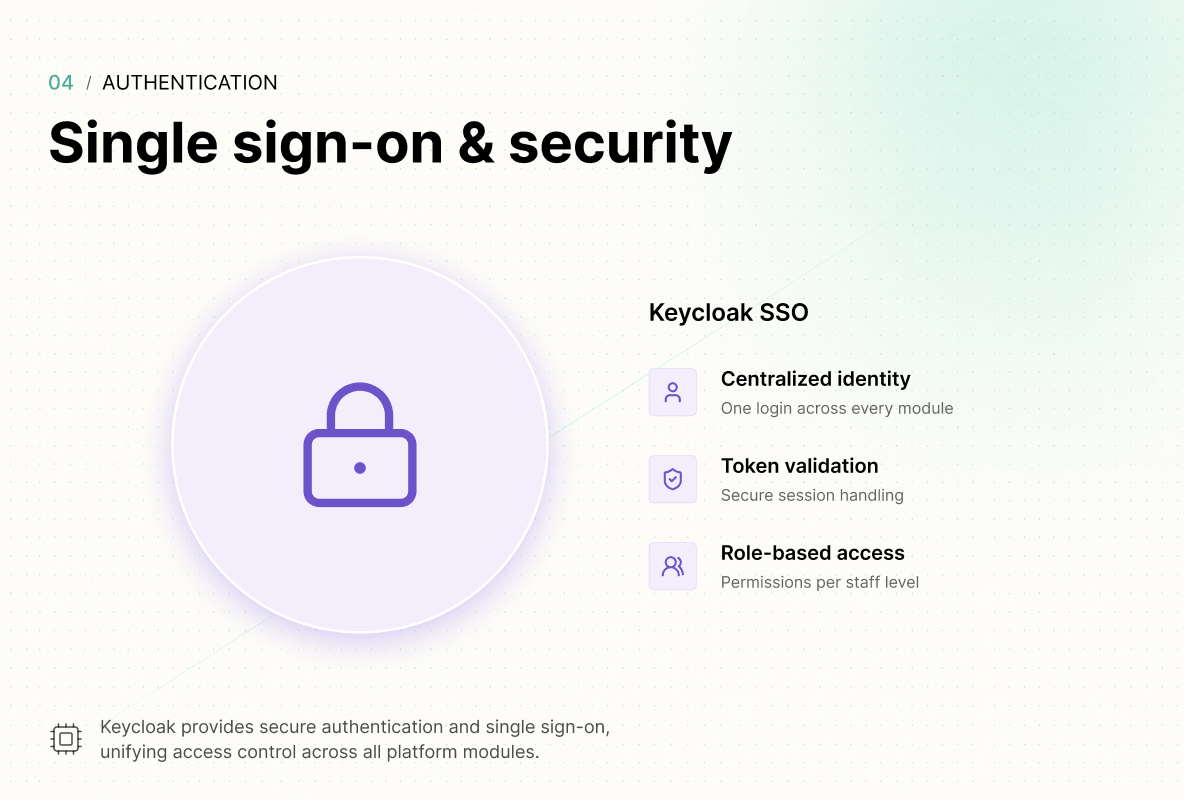
Key integrations include Keycloak for secure authentication and single sign-on, websockets for real-time data updates, independent modules for appointment scheduling and contacts management, and refined UI for open-source medical collaboration tools.
Together, these components form a cohesive architecture that powers platform functionality and ensures seamless data flow and user interactions.
Services
Development, DevOps, Architecture
Domains
Medical Information Systems, Healthcare Operations
Technologies
React (Redux), PHP (Lumen), Java (Keycloak), Node.js, FHIR, Nginx, Docker, Jest, Puppeteer
Disciplines
Technology, Development